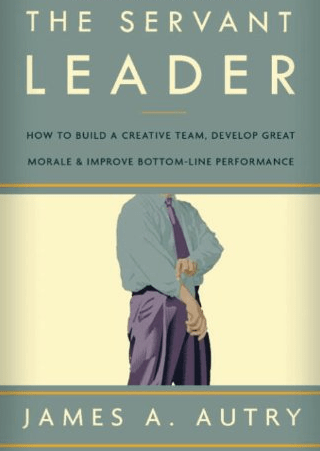
This book is all about being an authentic leader and the principles of servant leadership. There are many smaller items I took away that I have listed at the bottom. But I want to highlight my big two learnings.
Embrace the Paradox
The servant leader is challenged to embrace a paradox. Ease workload and different work schedules while getting the work done.
My biggest takeaway from this book was that the Role of the servant leader is one of a tight rope specialist. Although I understood that unconsciously, as many do, to really explain it clearly with the three focus areas to consider really helped focus my mind.
As a Manager, you are always on a tightrope. Representing the viewpoints, philosophies and processes of the organisation to your team. You must also represent the concerns, interests and ideas of your team to the organisation. Each group can think you don’t do these well enough. The organisation may think you are over focussed on your team. While your team may feel you don’t watch out for them or that they are taking a disproportionate share of the workload.
The three areas are:
- Welfare of the employee
- Welfare of the team
- Welfare of the organisation
If one is out of balance, you really need to look into it and ensure you are doing the best by all of them. At times this is incredibly tough.
For example, a case where someone is off ill, you must consider all three.
- What will work for the employee and their family
- What will work for the other employees in the team
- What will work for the organisation
If you can balance all three then great and is what the servant leader should strive for.
If you can balance by bending the rules from time to time that that is also acceptable and you should remain open to temporary alternative working situations if the need seems compelling. Emphasis on temporary.
Embrace the Unknown
Servant leadership is more important, has more meaning and more impact during the times when people are worried and struggling. The control and command type of management does not work well.
- People need to find meaning in their work and to feel important
- The need for honest appraisal about the real conditions
- The need for reassurance of seeing you, the leader, remaining calm and centred and focussed in the midst of the Crisis
The unknown as many of us have experienced can be worrying. But don’t expect the worst. Be prepared for it. Ask everyone how they can help be involved. A reference was made to St Crispin’s speech that many leaders have paraphrased over the years.
He even goes onto what happens if you fail at a task or even your job. The line was given “Your work is important, yes, it helps give your life meaning and purpose, but it is not you, and you are not your work.” The feelings you may experience are normal, you can examine and learn from them. But it is NOT ok to think of yourself as a failure. Do not buy into the winner-loser mentality.
Summary
Be authentic, be your real self at all times. The main lessons are intermixed with recognising that leaderships starts on the inside, being self aware and having self esteem. I like the fact he mentions that leadership involves regular reflection and introspection. Without this, you may not approach a situation in the best way and respond not in the way fit for a servant leader.
The Five Ways of Being according to the author are:
- Be Authentic. Be your real self at all times
- Be vulnerable. Don’t act as if bad times don’t affect you
- Be accepting. Of bad situations as well as good, of failure as well as success
- Be present. To all the possibilities for the future, to those around you
- Be useful. Be of service to yourself and to others
 Blog - Wayne Hooper